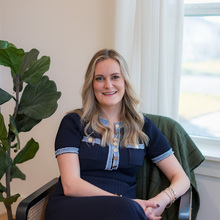
Beyond Boundaries: Why Standard Self-Help Advice Fails Abuse Survivors (And What Actually Helps) Presented by Whitney Hartzell, LCSW
(1.5 CEs for LPC, SW, LMFT, and Psychologists) Recording of Live Training held on September 18, 2026
Continuing Education Hours: 1.5 CEs for LPC, SW, LMFT, and Psychologists - NBCC Approved
Description:"Set better boundaries." "Communicate your needs." "Take responsibility for your part." These are some of the most common pieces of advice therapists give—and for survivors of intimate partner violence, they can be not just ineffective, but dangerous. This presentation examines why mainstream mental health advice is often designed for conflict, not abuse, and offers trauma-informed alternatives that actually build safety and agency. Participants will learn to distinguish between relationship conflict and abuse dynamics, assess when standard interventions are contraindicated, and provide support that doesn't inadvertently escalate danger or compound victim-blaming. This is essential training for anyone who works with survivors of violence against women and is committed to doing so with both compassion and clinical precision.
Learning Objectives: